How to Plan a Graceful Bilingual or Multilingual Wedding Invitation
29 July 2026 · ElBach Digital Editorial Studio
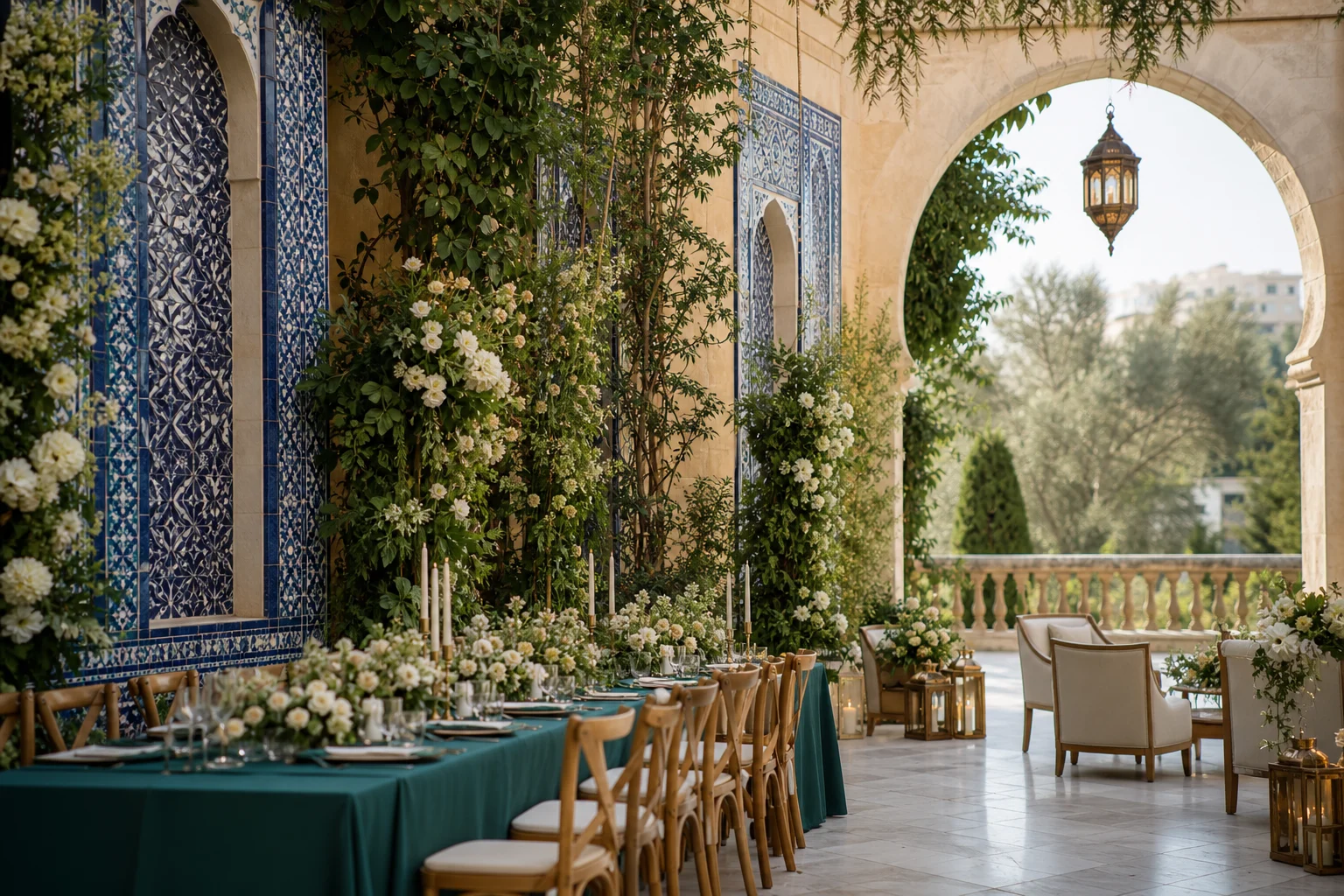
Planning a multilingual wedding invitation requires thoughtful strategy beyond translation. Learn how to honour multiple languages, coordinate RSVP...
When you're planning a wedding that bridges cultures, languages, or family traditions, your invitation becomes far more than a logistics tool. It sets the emotional tone for your celebration and signals to every guest, in their own language, that they belong in your story.
A truly graceful multilingual wedding invitation reflects genuine respect for your guests' heritage while maintaining beautiful, coherent design. It requires careful planning across language selection, RSVP coordination, tone alignment, and practical details.
Language Selection and Hierarchy
Begin by identifying which languages matter most to your celebration. Your primary languages typically include the languages of the couple themselves, followed by languages spoken by immediate family, then significant portions of your guest list.
A common approach places the couple's first or ceremonial language first, followed by additional languages in order of prominence. For a couple where one partner speaks Arabic and the other speaks German, for instance, you might lead with Arabic, then German, then English as a bridge language.
The key principle is intentionality rather than alphabetical or random ordering. Your hierarchy should feel authentic to your relationship and your family structures.
Crafting Tone and Voice Across Languages
Each language carries different cultural conventions around formality, warmth, and celebration. A phrase that feels warm and personal in one language might feel casual or incomplete in another.
Work with native speakers or professional translators who understand wedding traditions in both cultures represented. A bilingual Arabic and English invitation benefits from someone familiar with both Gulf hospitality conventions and Western wedding customs. Similarly, a French and Portuguese invitation needs someone who grasps how ceremony and joy are expressed differently in each tradition.
This goes beyond literal translation. It means adapting phrasing to honour how each culture approaches weddings.
Request guidance from your multilingual wedding RSVP platform or wedding planner about adapting tone across languages. Professional coordinators regularly navigate these nuances.
Design Considerations for Multiple Languages
Visual hierarchy matters intensely when you're presenting multiple language blocks. Each language section should be equally visible, equally elegant, and equally easy to read.
Avoid the temptation to shrink text sizes dramatically to fit languages onto one side. Instead, consider a layout where languages appear on separate panels, facing pages, or structured sections. Some couples use high quality folded invitations where the front features the primary language, the interior opens to reveal secondary languages, and the RSVP card includes all language options.
Typography should remain consistent across languages. Choose typefaces that support multiple writing systems if your languages include Arabic script, Cyrillic, or other non Latin alphabets. Work with your designer or printing partner to ensure language specific characters render beautifully.
Whitespace becomes your friend. Give each language room to breathe. Cramped multilingual invitations feel stressful to read, no matter how beautifully written.
RSVP Coordination and Guest Communication
Your RSVP mechanism must accommodate guests across multiple language groups without creating confusion or administrative burden.
Include RSVP options in each language represented on your invitation. If you're using a digital platform like ElBach Digital's multilingual RSVP system, ensure the link or instructions appear clearly in each language. A guest should never wonder whether they're replying in the right format or language.
For physical RSVP cards, consider including response options in all relevant languages, or provide a QR code directing guests to a multilingual online portal. This reduces postal delays and ensures clearer tracking of dietary requirements, plus one information, and any other details you need to gather.
Anticipate language specific questions from your guest list. A relative reading the invitation in Arabic may have different expectations about timing, dress code, or ceremony participation than a guest reading it in English. Build these answers into your invitation materials, or ensure your wedding coordinator and venue staff are prepared to answer questions in multiple languages.
Checklist for Multilingual Invitation Planning
Consider these practical steps as you move forward:
Identify your priority languages and their order of appearance. Choose native speakers or professional translators for each language. Review tone and cultural context with someone familiar with wedding customs in each culture. Select a designer experienced with multilingual, multi script layouts. Decide on physical or digital format, or a combination. Test readability across all language sections in both digital and printed versions.
Coordinating with Venues and Wedding Professionals
If your celebration spans multiple venues or requires coordination with vendors across regions, multilingual clarity becomes even more important.
Your florist, caterer, or beauty salon needs to understand your vision, and language barriers can create frustration or misunderstandings around cultural preferences. Share your multilingual invitation with your core vendors so they understand the scope of your celebration and the cultural significance of different traditions you're honouring.
For international celebrations involving hotels and transportation, ensure key information reaches guests in their preferred language. A guest arriving for your wedding should receive check in confirmations, venue directions, and timeline information in a language they read fluently.
Wedding planners coordinating multilingual events typically maintain separate communication channels with different guest cohorts, ensuring no one feels like a secondary audience.
A Graceful Closing
Your invitation's final section deserves as much care as its opening. Include clear, actionable information in each language about what comes next: ceremony start time, location details, dress code, dietary communication, and any cultural elements guests should know about.
A warm closing in each language creates the sense of genuine welcome. This might be a brief phrase in Arabic honouring family and gathering, followed by a phrase in your secondary language expressing joy at celebrating together, and finally a phrase in English ensuring international guests feel equally welcomed.
The most graceful multilingual invitations never feel like an awkward accommodation. They feel like an authentic reflection of who you are as a couple or as hosts.
Frequently Asked Questions
Should I translate every single word identically across languages?
No. Professional translation for weddings prioritises meaning, tone, and cultural resonance over word for word consistency. A phrase that's poetic and appropriate in one language might need adjustment in another.
What if my guest list includes people who speak more than two or three languages?
Include your two to three primary languages on the formal invitation. For guests who speak additional languages, consider including a brief note offering to provide information in their preferred language upon request.
Is it better to use a translator or a multilingual friend?
For formal invitations, professional translation is worth the investment. Friends may not catch cultural nuances or wedding convention differences. A professional ensures your invitation represents you beautifully in every language.
How do I manage RSVP responses in multiple languages?
Digital platforms streamline this significantly. A multilingual RSVP system can collect responses in various languages and deliver consolidated data to you. This removes manual language coordination from your planning burden.
Can we include cultural or religious elements in our multilingual invitation?
Absolutely. In fact, naming specific traditions or ceremonies in the appropriate language (whether that's a specific prayer, blessing, or ritual) often feels more respectful and meaningful than explaining everything in a lingua franca.
Creating a graceful multilingual wedding invitation is an act of cultural fluency and generosity toward your guests. It says, clearly and beautifully, that you've thought about them as individuals with their own languages, traditions, and ways of experiencing celebration.
Ready to bring your multilingual vision to life? Explore how our platform simplifies RSVP coordination across languages and cultures, so you can focus on the joy of your celebration.
Planning a wedding?
Tell us about your celebration and receive a tailored proposal for a multilingual digital RSVP experience.
Tell us about your celebrationThe Journal, by email
One thoughtful celebration idea a day
Digital invitation guidance, guest experience, multilingual etiquette, and design ideas. Unsubscribe in one click.
ELBACH Digital FZ-LLC · Ras Al Khaimah, UAE · contact@elbachdigital.com