How to Design a Digital Wedding Invitation That Feels Personal, Not Templated
26 July 2026 · ElBach Digital Editorial Studio
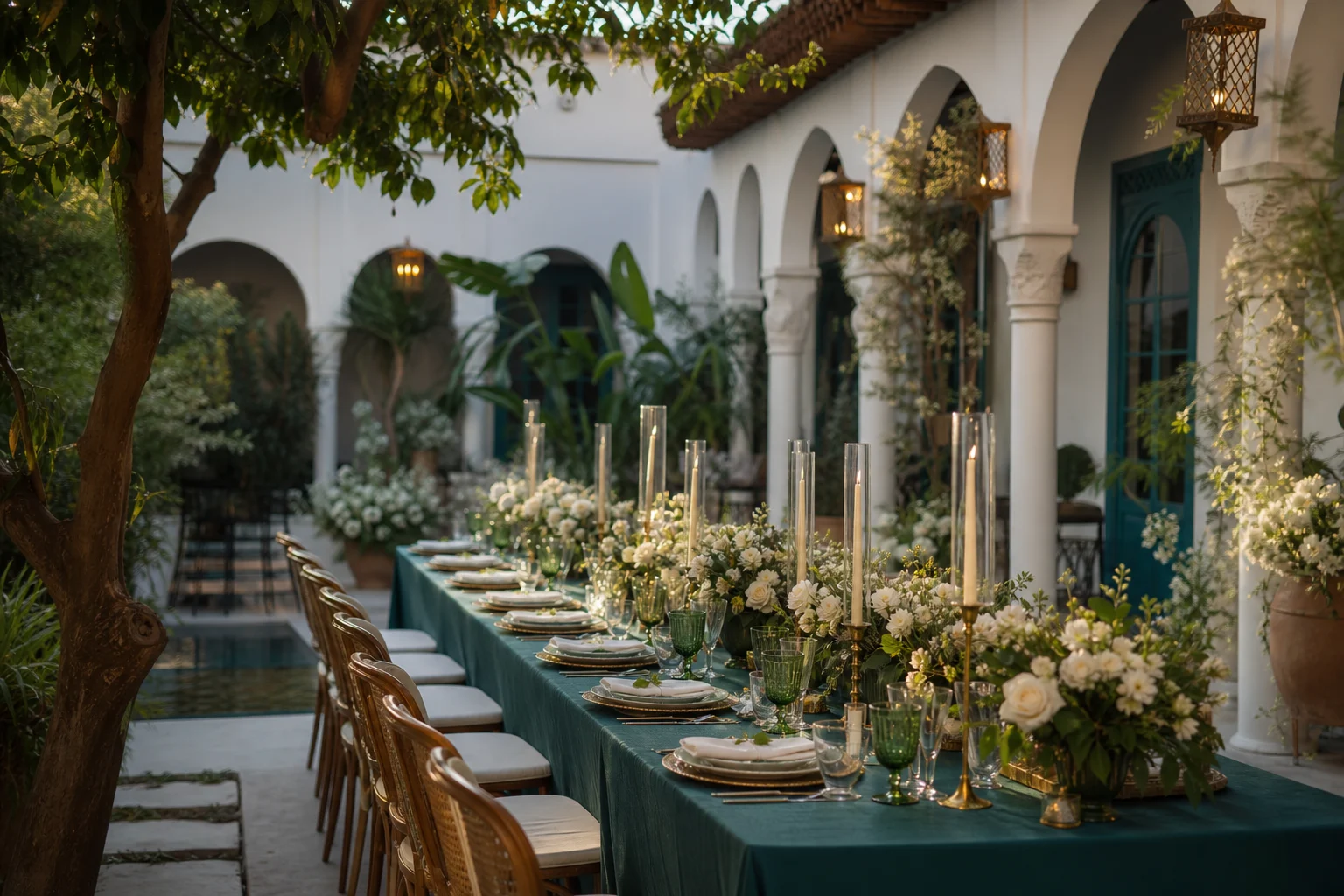
A digital wedding invitation is often your guests' first glimpse of your celebration. Learn how to create an invitation that reflects your story, respects...
A digital wedding invitation is often your guests' first glimpse of your celebration. It arrives quietly in their inbox, yet it shapes their entire sense of who you are as a couple and what your wedding might feel like. The difference between an invitation that feels genuinely yours and one that looks like it came from a template is not always obvious at first glance, but your guests will sense it. They will know whether you have invited them into something real.
Start with Your Own Story, Not a Design Category
Before you choose colours or layouts, ask yourself what your wedding is actually about. This is not a marketing exercise. It is a clarifying one. Are you bringing together two completely different cultural traditions? Planning something intimate in a mountain cabin? Hosting a multi city celebration across continents? Creating a formal event that honours your family's heritage?
Your invitation should whisper this truth before anyone reads a single line of text. If your wedding brings together Emirati, Indian, and European families, your invitation might weave visual or typographic elements from all three worlds rather than defaulting to a generic "elegant" aesthetic. If you are planning something in a historic venue in Lebanon or a beach hotel in Dubai or a farmhouse in Portugal, that location should feel present in how your invitation introduces itself.
This means resisting the urge to choose a category like "Modern" or "Classic" or "Romantic" and instead asking: what does our wedding actually feel like? Once you have answered that, every design choice becomes a reflection of that answer rather than a borrowed template.
Respect the Details Your Guests Actually Notice
Wedding professionals across the industry, from wedding planners to hotel concierges coordinating guest arrivals, understand that people read invitations carefully. They are not scrolling past them. They are studying them for clues about what to wear, what to expect, and what your priorities are as a couple.
This is where specificity becomes your tool. Instead of generic language, use phrasing that is true to your event. If your wedding spans multiple days across different venues, say so clearly and let the structure of the invitation reflect that journey. If a particular cultural ceremony is central to your celebration, name it with respect and context rather than translating it into generic terms. If you are asking guests to travel, acknowledge that thoughtfully in your tone.
Typography choices matter here too, but not in the way many template platforms suggest. You do not need a trendy font to feel authentic. Instead, choose one or two typefaces that work together clearly and that suit the personality of your event. A serif font paired with a clean sans serif can feel both elegant and contemporary. What matters is that the same typeface choices appear consistently across your invitation, RSVP page, and any follow up communications. This creates a sense of coherence that actually requires less design complexity, not more.
Use Colour as a Language, Not a Decoration
Colour is perhaps the fastest way to make an invitation feel personal. Rather than applying a colour scheme because it is seasonal or trendy, choose colours that mean something to you and your partner. These might be colours from your cultural traditions, the palette of your wedding venue, the colour of flowers that will appear in your celebration, or simply colours that you love living with.
Most couples benefit from choosing no more than three core colours, which your photographer, florist, caterer, and venue stylist will eventually align around anyway. Using those same colours in your digital invitation creates immediate recognition and reinforces your vision long before guests arrive. This is collaboration by design: when your invitations reflect the same palette as your bridal boutique's styling consultation or your florist's proposals, guests sense intentionality.
Make the RSVP Experience Part of Your Story
The moment your guest clicks to RSVP is an extension of your invitation, not a separate transaction. A templated RSVP form asks for name and meal choice in a standardized box. A personal RSVP experience asks questions that actually matter to your celebration and presents them in a way that feels continuous with your invitation's tone.
Perhaps you need to know about dietary requirements for your caterer. Perhaps you are planning welcome drinks at a hotel and want to know who is arriving that evening. Perhaps you are offering transportation from the airport and want to understand guest logistics. A thoughtfully designed RSVP does not just collect this information: it explains why you are asking and makes guests feel like they are helping you plan something they matter to, rather than filling out a bureaucratic form.
This is particularly important for multilingual celebrations. If you and your guests speak multiple languages, your RSVP experience should reflect that from the start. A couple planning a celebration in Morocco with guests in Arabic, French, and English has already set a tone of inclusion. Carrying that through every piece of your digital communication, including how guests respond, deepens the experience.
Consider Accessibility Without Sacrificing Personality
An invitation that feels personal should also be readable and usable for all your guests. This is not a limitation on personality: it is actually where personality and thoughtfulness overlap.
This means adequate colour contrast so that text is legible even on different devices and lighting conditions. It means testing your invitation on phones, because most of your guests will first read it on a mobile screen. It means using font sizes that work for all ages, which often means slightly larger than templates default to. It means that any animations or interactive elements actually serve a purpose and load quickly, rather than being gratuitous effects that slow down the experience or confuse guests unfamiliar with that particular platform.
When your invitation is easy to read and easy to RSVP through, you have removed barriers between your guests' intention to celebrate with you and their actual ability to do so. That is genuinely personal.
Coordinate Across Your Wedding Ecosystem
Your digital invitation does not exist in isolation. It sits alongside communications from your venue, your photographer, your wedding planner if you have one, and eventually your thank you notes. These do not all need to look identical, but they should feel like they belong to the same celebration.
If your invitation uses a particular tone of voice, whether that is formal and ceremonial or warm and conversational, carry that through to your RSVP confirmation emails and any follow up messages. If your invitation includes a particular visual system, such as a custom pattern or a specific way of organizing information, consider whether your welcome letter or your ceremony schedule might use the same language.
Wedding professionals who work across multiple couples often notice when this coherence exists. A florist or catering director sees the invitation and understands immediately what aesthetic world they are designing into. This coordination makes their work clearer and ultimately makes your celebration more cohesive for guests.
Review Before You Send
Before your invitations go out, spend time with them the way your guests will. Read them on your phone. Click through the RSVP flow. Ask yourself whether someone unfamiliar with your situation would understand what you are inviting them to, when it is happening, and how to participate. Ask someone from a different cultural background than your own whether you have represented your traditions accurately and respectfully.
For couples coordinating across continents or languages, consider having someone in each geographic region review the invitation and RSVP process to ensure clarity. A phrase that feels natural in one cultural context might read differently in another, and catching that before sending is an act of thoughtfulness toward your guests.
Frequently Asked Questions
Do I need custom design or coding to make my invitation feel personal?
No. Personalization comes from specificity of language, accuracy of detail, and coherence of vision far more than from technical complexity. Many couples create deeply personal invitations using thoughtfully customized templates. What matters is whether you have adapted the template to reflect your actual celebration, or simply accepted its defaults.
What if my wedding involves multiple cultural traditions?
Your invitation is an opportunity to introduce this beautifully and clearly. Name the ceremonies or traditions that appear in your celebration. Use visual or linguistic elements from each tradition respectfully. Provide context where helpful so guests understand the significance. This transparency is more personal and more respectful than trying to blend traditions into a homogenized aesthetic.
How much information should I include in the main invitation versus the RSVP page?
Include everything essential for a guest to understand what you are inviting them to, when, and how to respond. Save detailed logistics, maps, accommodation suggestions, and ceremony explanations for the RSVP journey or follow up communications. Your invitation should intrigue and invite: your RSVP experience should inform and guide.
Should the digital invitation match my printed invitations?
Not necessarily, but they should reflect the same story. A printed invitation and a digital invitation serve different purposes and reach guests at different moments. Both should feel like they come from you, but they can be designed for their specific contexts.
***
The heart of a personal digital invitation is recognizing that it is not primarily a design object or a logistics tool. It is your first conversation with each guest as a couple preparing to celebrate. Explore how a thoughtfully designed RSVP experience deepens that conversation and helps you build a celebration that feels genuinely yours.
Want to read more about creating meaningful guest experiences in the digital age? Browse our planning articles and insights.
Planning a wedding?
Tell us about your celebration and receive a tailored proposal for a multilingual digital RSVP experience.
Tell us about your celebrationThe Journal, by email
One thoughtful celebration idea a day
Digital invitation guidance, guest experience, multilingual etiquette, and design ideas. Unsubscribe in one click.
ELBACH Digital FZ-LLC · Ras Al Khaimah, UAE · contact@elbachdigital.com