How to Organize Family Groups, Plus Ones and Children in a Wedding Guest List
27 August 2026 · ElBach Digital Editorial Studio
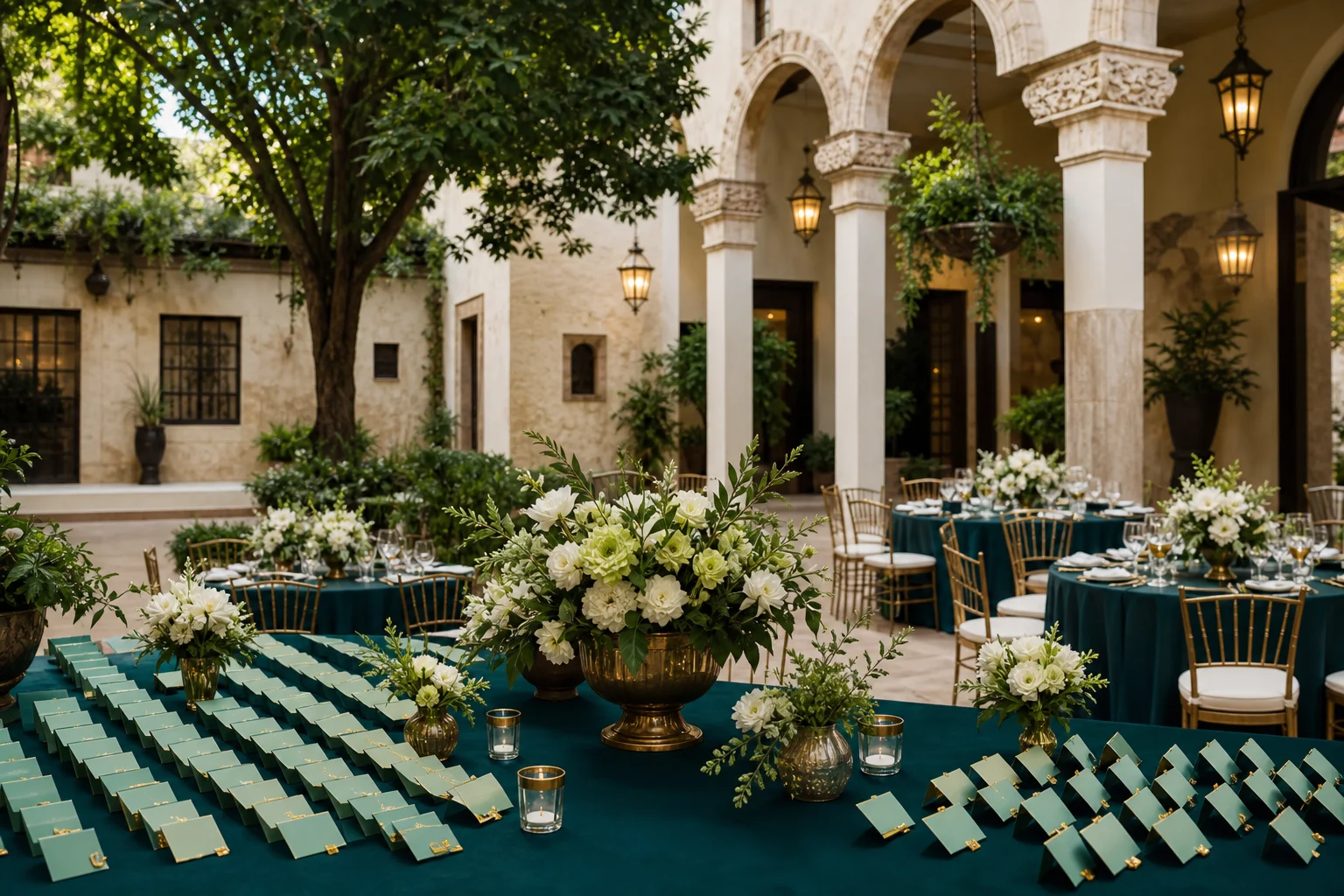
Structuring your wedding guest list to reflect family dynamics, plus ones, and children requires both practical clarity and genuine consideration. Learn how...
Creating a wedding guest list that feels both logically organized and warmly inclusive is one of the most human challenges couples and planners face.
Start with a clear framework for family units
Before you begin assigning table seats or managing responses, define what constitutes a family group in your context. This differs across cultures and personal circumstances. In some traditions, the extended family including cousins remains tightly integrated.
Create a master spreadsheet or use a dedicated RSVP platform that allows you to tag relationships. Note who belongs to which family unit, who are children, and who are registered guests. This becomes your source of truth when the catering team needs headcounts and your seating planner needs to understand who naturally sits together. Digital systems that separate family group organization from individual RSVP responses can reduce confusion significantly.
Making thoughtful plus one decisions
The question of plus ones sits at the intersection of generosity, budget reality, and etiquette. Traditionally, plus ones are offered to unattached adult guests who form a significant household or romantic partnership.
Be consistent with your rule and communicate it clearly on your invitation. Wedding invitations from elegant digital platforms make this transparent: guests can see immediately whether their plus one option appears in their personalized link.
If you do offer plus ones, consider the ripple effect. A single colleague might expect to bring a partner. A divorced parent might expect to bring their new spouse. A teenage guest might expect to bring a friend.
For wedding professionals like caterers and banquet managers, transparent plus one policies mean more accurate menu planning. For florists and photographers, it means they can better anticipate the scale of group photography moments. For hotels coordinating room blocks, it affects occupancy projections.
Creating clear labels for children and family relationships
Children often need special consideration that goes beyond their names and meal preferences. Distinguish between infants, children (roughly ages 4 to 12), teenagers, and young adults. Each category has different needs around seating, meals, and activities.
Some families want children seated with parents. Others arrange children's tables with supervision, which is common at South Asian celebrations, Middle Eastern family weddings, and African festive gatherings.
Include fields in your RSVP system for:
- Child name and age
- Dietary restrictions specific to the child
- Whether the child will attend the ceremony, reception, or both
- Any special accessibility needs
This information cascades to your caterer (who might prepare smaller portions or special meals), your photographer (who knows who to prioritize in family shots), your beauty salon partners (who might offer simplified services for young attendants), and your banquet manager (who arranges appropriate seating configurations).
Using your RSVP system to codify family connections
Modern digital RSVP platforms allow you to link family members, tag plus ones, and note children within each entry. This transforms your guest list from a flat spreadsheet into a relationship map.
When you process responses, you can see at a glance: the Johnson family consists of parents and two children under ten; the Patels are four adults without children; the Garcia household includes one adult with her teenage daughter; Ahmed is attending with his fiancée (plus one); Layla is attending alone with no plus one option.
This visibility helps wedding planners coordinate seating clusters that feel natural.
Organizing seating around family and social groups
Family groups rarely sit in absolute isolation at weddings. They often cluster with extended family, close friends, or people from a shared community or workplace.
After collecting RSVP responses, arrange tables in clusters:
- Family clusters: the immediate family plus extended relatives who prefer sitting together
- Friend clusters: close friends or colleagues who traveled together or share social circles
- Mixed groups: where appropriate, blend family members with friends to encourage new connections
- Child centered tables: if you've chosen this approach, seat children with a trusted adult supervisor and arrange proximity to parents
Work backward from your venue's physical layout. A banquet manager can guide you on table counts, configurations, and spacing. A skilled planner understands that family groups of different sizes and structures require different table shapes and arrangements.
Managing dietary needs by family group
Food preferences and restrictions cluster within families but also cross them. A bridal boutique client might mention that her elderly mother keeps kosher, while her brother doesn't eat shellfish for religious reasons, while her young nephew is vegetarian.
Collect dietary information at the family group level rather than just at the individual level. This helps your caterer understand if an entire family has specific requirements or if you're managing individual exceptions.
Checklists for organizing family structures
Before finalizing your guest list:
- Define your plus one policy clearly and consistently
- Decide your approach to children's seating (with parents, separate table, mixed arrangement)
- Note ages for children and any accessibility needs
- Identify extended family units that should sit together
- Mark any divorced, blended, or non traditional family structures that need sensitive seating consideration
When processing RSVPs:
- Verify family group membership against your spreadsheet
- Cross check all plus ones against your stated policy
- Confirm children's names, ages, and dietary needs
- Note any last minute changes to family attendance
- Collate dietary information by family group
Before sending final details to venue partners:
- Provide your caterer with a summary of dietary needs by family group and table
- Give the banquet manager a seating chart that shows family clusters
- Share table assignments with your florist if they're personalizing centerpieces
- Confirm with your photographer which families want group shots and whether children should be included
Frequently asked questions
What if a guest wants to bring an extra child who wasn't on the invitation?
Communicate that your guest count was finalized and your catering and seating plans are set. If space and budget allow, confirm with your caterer and banquet manager first. If not, politely explain that this isn't possible.
Should children of divorced parents sit with one parent or split across tables?
This varies by child age and family preference. Ask the parents directly during the RSVP process. Older children can choose where they prefer. Younger children often benefit from staying with their primary caregiver's family group.
How do I handle blended families tactfully?
Treat blended families as the complete units they are. If a parent remarried, both the parent and stepparent are invited together. Their children from different relationships sit together as one family group.
Can I limit plus ones to only married or engaged partners?
Yes, this is a legitimate choice. Communicate it clearly on your invitation so guests know whether they can bring a partner. Many couples do this for budget or intimate gathering reasons. Clearly stated rules are less likely to cause offense than unclear ones.
A final note on warmth and clarity
Organizing family groups requires both the precision of a spreadsheet and the sensitivity of genuine human consideration. When your RSVP system, venue coordination, and catering partner all work from the same family structure definitions, the details align seamlessly. Guests feel welcomed and understood.
This approach honors the reality of modern family life while respecting the traditions and cultural values your guests bring to your wedding.
For couples and planners seeking a more complete picture of how to manage these complexities, explore the detailed resources available on the ElBach blog and consider how a dedicated RSVP platform can transform family group organization from a source of stress into a quiet operational advantage."
Planning a wedding?
Tell us about your celebration and receive a tailored proposal for a multilingual digital RSVP experience.
Tell us about your celebrationThe Journal, by email
One thoughtful celebration idea a day
Digital invitation guidance, guest experience, multilingual etiquette, and design ideas. Unsubscribe in one click.
ELBACH Digital FZ-LLC · Ras Al Khaimah, UAE · contact@elbachdigital.com