How to Plan a Multilingual Wedding Guest Experience Across the Gulf
22 August 2026 · ElBach Digital Editorial Studio
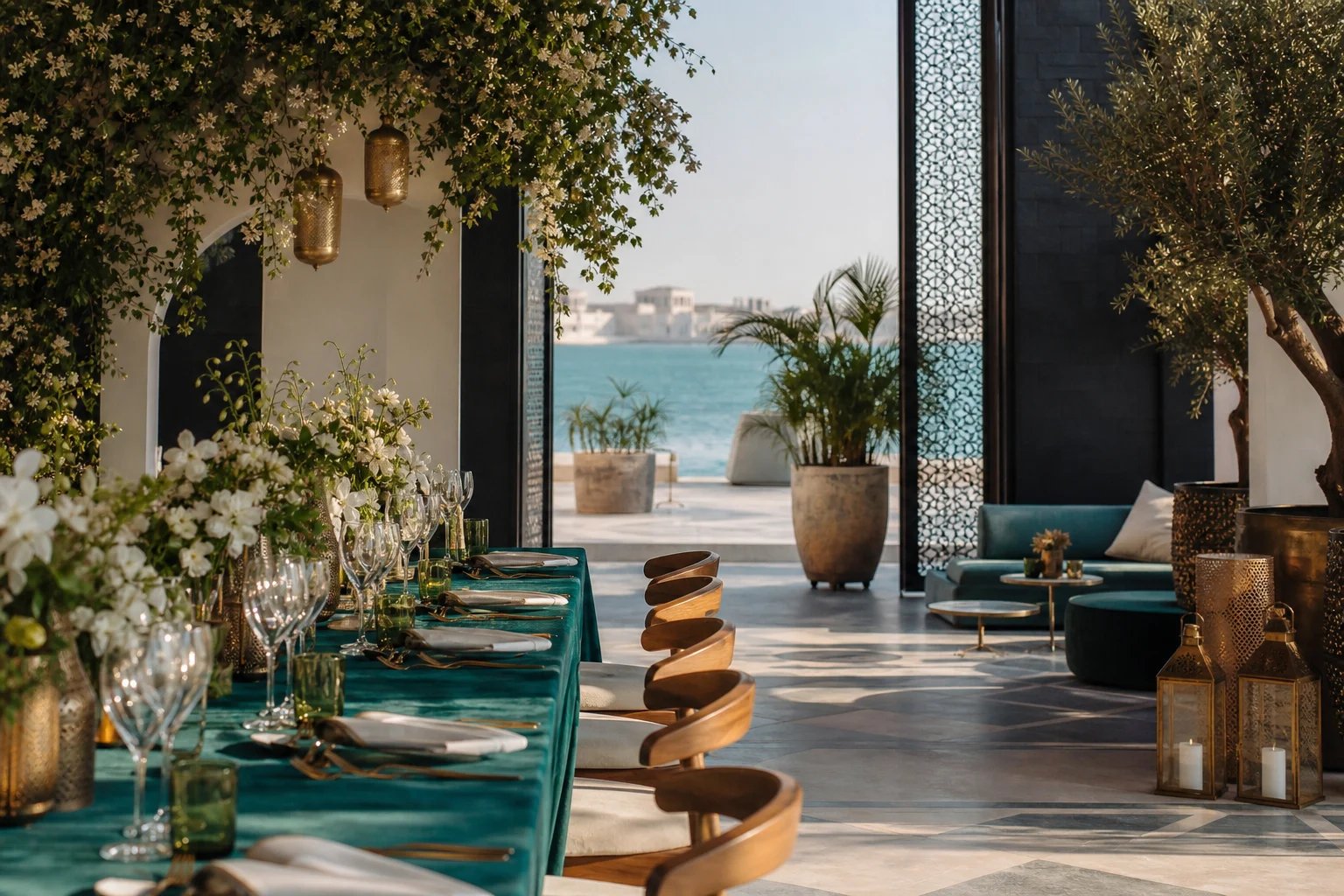
Creating a welcoming celebration for guests across the GCC means thinking beyond translation. This guide helps couples and wedding professionals design guest...
Gulf weddings bring together people from everywhere. Your guest list might include family who speak Arabic at home, colleagues from Europe or South Asia, diaspora relatives who grew up elsewhere, and international friends who speak English as a common language.
The Gulf's cosmopolitan nature is one of its greatest strengths as a wedding destination. Yet many couples and venues treat language planning as an afterthought. When done thoughtfully, multilingual communication becomes part of your wedding's warmth and respect for your community.
Start with Your Guest Composition and Communication Strategy
Before you design anything, sit with your partner and list the languages your guests actually speak. This isn't about being politically correct; it's about genuine communication.
Once you know your linguistic landscape, decide which languages will appear in your main communications. For most Gulf weddings, Arabic and English form the foundation, though French, Urdu, Tagalog, Mandarin, or others might matter for your specific group.
Digital invitations make this process far simpler than paper. Couples using multilingual RSVP platforms can offer guests a language preference at the moment they open their invitation, then deliver all subsequent wedding information in their chosen language. This personalised approach feels considerate and removes the burden from individual guests to manage multiple languages.
Wedding planners should establish this framework with couples at the very first consultation. It sets the tone for every vendor conversation that follows.
Designing Invitations That Welcome Everyone
Your invitation is the first conversation with guests about the celebration you're creating. A translation placed awkwardly at the bottom feels like an obligation; bilingual design from the start feels intentional.
For digital invitations, this is straightforward. For paper invitations, many couples work with designers to create layouts where Arabic and English flow naturally together, often mirrored or positioned with equal visual weight. Print production timelines allow for this without significant delay.
Include clear, translated information about timing. If your ceremony begins at 6:00 PM, state this in all your core languages.
RSVP mechanisms matter too. A digital RSVP system allows guests to respond in their preferred language, and planners receive information in a unified format. This removes the friction of managing responses across multiple platforms or languages.
Venues and planners benefit from a simple checklist at this stage:
- Confirm core languages with the couple early
- Design invitations with translation in mind from the outset, not as an afterthought
- Use digital RSVP to gather dietary, accessibility, and preference information in each guest's language
- Provide timeline information in all core languages
- Include simple explanations of any unfamiliar ceremonies or customs in the invitation itself
Creating a Multilingual Venue and Guest Experience
Once guests arrive, the physical and informational environment should continue supporting multiple languages. This begins with venue selection and planning.
Talk with your venue manager about signage in key areas. Restroom signs, directions to different celebration spaces, bar menus, and the timeline for the evening should be clear in your core languages.
Consider the flow of your celebration across different spaces. In many Gulf weddings, there are separate or transitional spaces for different parts of the celebration.
Photography and videography teams should understand the multilingual context too. If remarks or speeches will happen in multiple languages, brief your photographer on the moments that matter most and explain any customs they may not have encountered before.
Florists, beauty salons, and bridal boutiques working with multilingual couples should ask clarifying questions early. If a bride is drawn to specific florals because of cultural significance, or prefers henna artistry from a particular tradition, these professionals should listen and create accordingly, not assume.
Caterers benefit enormously from explicit conversation about dietary practices and preferences across your guest list. If some guests observe specific halal practices, others keep other dietary laws, and still others follow different conventions, the catering team needs to know this upfront.
Communication with Vendors and Marriage Professionals
Couples coordinating across vendors should provide each team with a brief, clear document explaining the multilingual and multicultural context of the wedding. This might include:
- Primary languages spoken by the couple and guest list
- Key cultural or religious customs that will be honoured
- Approximate numbers of guests who speak each language
- Important dates or timing considerations
- Names and phone numbers of primary contacts (usually the couple or planner)
For marriage professionals like photographers, videographers, florists, and bridal consultants, this context shapes their work profoundly. A florist working with a couple from Beirut, Riyadh, and London will create something more beautiful if they understand the blend of aesthetics and traditions the couple wants to honour.
Wedding planners coordinating multiple vendors across the Gulf should see themselves as cultural and linguistic translators. You're not just managing logistics; you're ensuring that each vendor understands the full context of what you're creating together.
Hotel Arrangements and Guest Logistics
For guests travelling to your wedding, hotel selection and communication matter significantly. If you're recommending hotels, work with their concierge teams to ensure they can provide information and assistance in multiple languages.
Guest welcome packages are a thoughtful touchpoint. A printed or digital welcome guide that includes the schedule, local information, and venue details in your guests' preferred languages shows genuine care. It also reduces last minute questions to you during the celebration itself.
Hotels in major Gulf cities increasingly employ multilingual staff. When you're coordinating with a venue or hotel, ask specifically about language support available to your guests. This small conversation shapes how welcomed international guests feel throughout their stay.
FAQs on Multilingual Wedding Planning
Do I really need to translate everything?
No. Focus on clear communication about what matters most: the invitation, the RSVP process, timeline information, and key signage. Speech transcripts or menu descriptions can be shorter, and many guests will manage perfectly with one primary language plus an open question period.
Should we hire a professional interpreter?
If you're planning a formal ceremony with important spiritual or legal components, a professional interpreter ensures accuracy and respect. For receptions and social elements, multilingual staff and clear written information usually suffice. Discuss this with your planner.
How do we handle speeches in multiple languages?
Brief speakers beforehand about timing and language. You might have one speaker in each language, or ask bilingual speakers to deliver remarks in both. Provide speakers with written versions of their remarks if they're nervous about language.
What if we're planning last minute?
Digital RSVP systems and printed multilingual signage are fast to produce. A professional planner or designer can turn this around in days. Focus first on invitations and timeline information, then layer in other elements.
A Thoughtful Approach to Inclusion
Planning a multilingual wedding across the Gulf isn't about perfection in every language. It's about recognising that your guests come from different linguistic and cultural worlds, and creating an environment where everyone feels genuinely welcome.
This approach works for couples, and it works for wedding businesses too. Venues, planners, and vendors who take multilingual and multicultural planning seriously attract couples who value those qualities and build reputations for thoughtful, sophisticated work.
Start conversations about language early. Invest in clear, beautiful communication. Listen to what your guests and clients actually need rather than assuming. You'll create celebrations that feel warm, welcoming, and authentically yours.
The Gulf's greatest beauty lies in its diversity. Your wedding can honour that fully.
Explore our blog for more guidance on wedding planning or request a private consultation about a multilingual RSVP experience tailored to your celebration.
Planning a wedding?
Tell us about your celebration and receive a tailored proposal for a multilingual digital RSVP experience.
Tell us about your celebrationThe Journal, by email
One thoughtful celebration idea a day
Digital invitation guidance, guest experience, multilingual etiquette, and design ideas. Unsubscribe in one click.
ELBACH Digital FZ-LLC · Ras Al Khaimah, UAE · contact@elbachdigital.com