Private Invitation Links, Family Codes, and QR Invitations: Which Access Model Is Right?
04 August 2026 · ElBach Digital Editorial Studio
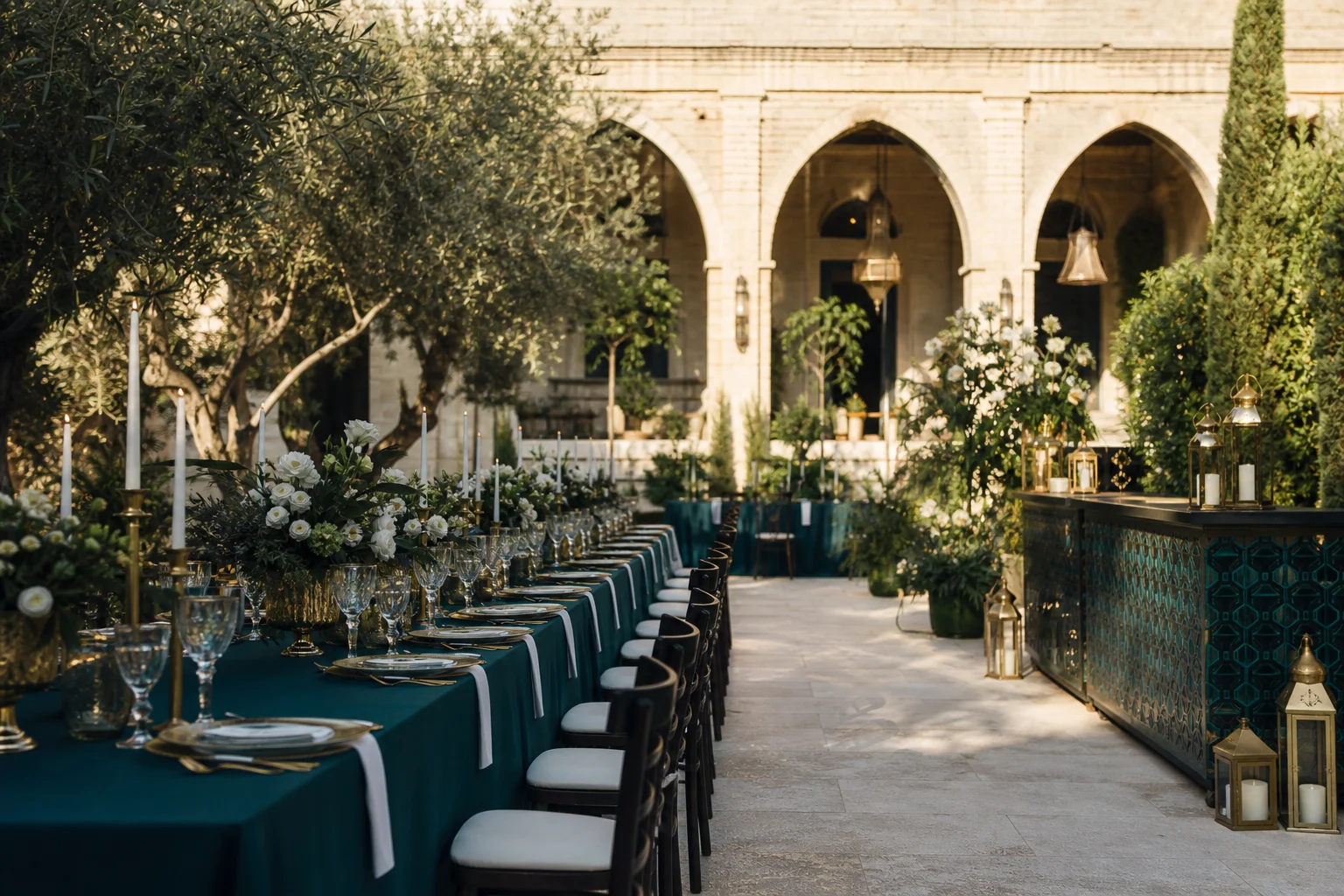
Choosing how guests access your wedding invitation shapes their experience before they even arrive. We explore three proven access models, their strengths,...
The moment a guest opens your wedding invitation, they need a seamless way in. Whether they receive a card in the post, an email, or a message from your phone, the path to your RSVP portal matters more than you might think.
This guide explores three distinct approaches: private invitation links, family access codes, and QR invitations. Each reflects different wedding styles, guest demographics, and planning priorities.
Understanding the Three Access Models
Private invitation links provide each guest (or family unit) with a unique URL, typically shared via email or messaging apps. The link functions as a personal key, opening directly to an RSVP form with some details already populated.
Family codes are alphanumeric sequences shared among groups of guests, usually a household or extended family. Multiple people use the same code to access a shared family RSVP page where they can enter individual details or respond collectively.
QR invitations embed a scannable code into a printed or digital invitation card. Guests photograph the code with their phone camera, which directs them to your RSVP page (usually with automatic identification of the guest based on the specific code pattern).
Each method has distinct advantages and particular use cases that make it more suitable for different celebrations.
Private Links: Clarity and Personal Connection
Private invitation links work well for couples who want to feel present in the process. Each guest receives their own link, often via email or a messaging platform they already use.
This approach suits intimate celebrations where you have email addresses for most guests, or where digital communication feels natural to your circle. Destination weddings, where guests are receiving multiple emails with travel information, benefit from having the RSVP link already in the recipient's inbox.
Venues and catering teams working with private links receive straightforward headcount data. There is no confusion about whether a code was shared beyond the intended group.
The drawback appears when relatives share devices, when older guests prefer to have family members handle invitations collectively, or when you have no direct contact information for all attendees. Some cultures and family structures favor collective response over individual registration, which can feel awkward within a private link system.
Family Codes: Flexibility for Shared Spaces
Family codes acknowledge that not everyone manages their own email, nor should they have to. A multi generational household, a sibling group covering a wide age range, or even close friends attending together can share one code to respond as a unit.
This model shines in celebrations where extended family plays a central role. A wedding honouring South Asian, Arabic, African, or Mediterranean traditions often involves nuclear and extended families responding together. A family code allows a parent or eldest sibling to manage the household response without requiring email addresses for everyone.
Wedding planners benefit from family codes when coordinating group bookings. A planner handling a large guest list for a corporate client can issue family codes to departments or friend groups, making team response straightforward.
The complexity emerges in reporting. When you later need to know exactly which family member eats halal, has a nut allergy, or needs transportation assistance, a family code response can feel incomplete.
QR Invitations: Immediacy and Print Integration
QR codes printed on invitation cards create a frictionless moment: a guest reads your invitation, points their phone camera at the code, and arrives at your RSVP page instantly. No typing, no email searching, no code memorization.
This approach is particularly valuable for guests who prefer not to rely on email, or who may not have received email at all. It bridges the gap between physical and digital beautifully. A printed invitation card feels formal and considered, and the QR code grants immediate digital access without strain.
Photographers and florists often mention that QR codes appear frequently in "inspiration shot" scenarios. A beautifully designed invitation card with a subtle QR element generates the kind of social sharing couples appreciate. The print and digital worlds coexist naturally.
For weddings where the guest list spans ages 8 to 88, or includes international guests with varying email habits, QR codes offer inclusive access. Venues appreciate QR invitations because the immediate feedback often generates faster RSVP rates when guests respond right away from the reception of the card.
The practical consideration is design balance. The QR code must be large enough to scan reliably, but not so dominant that it overwhelms your invitation aesthetic. Venues and stationery professionals need to coordinate sizing carefully.
Comparing Access Models: A Decision Framework
Before choosing, consider these questions alongside your celebration profile:
- Who holds the information? Will guests manage their own emails, or does a family member/planner coordinate responses?
- What data do you need? Must each guest provide individual meal preferences, or is a household total sufficient?
- How diverse is your tech comfort? Are smartphone cameras second nature to everyone, or will some guests need alternatives?
- How will vendors access the data? Do caterers, venues, and hotels need individual level detail or group summaries?
- When do you expect responses? Urgent RSVPs suit QR codes (immediate access). Thoughtful deliberation suits private links (familiar, low pressure).
- What is your invitation medium? Digital invitations naturally pair with private links or QR codes via email. Printed cards can combine QR codes with printed fallback information.
Practical Combinations
Most sophisticated celebrations use more than one method simultaneously. A typical approach combines a QR code on a printed invitation card (for immediate in hand response) with a private link in an email (for digital archiving and accessibility).
Destination wedding planners often issue private links to guests who have confirmed attendance, then provide QR codes on welcome cards upon arrival. Hotels appreciate this timeline because it separates commitment from logistics.
Corporate celebrations and large formal events often prioritize private links combined with a backup family code, ensuring professional record keeping while maintaining family unit flexibility.
Questions Couples and Planners Ask
How do I prevent code sharing beyond my intended guest list?
Private links and family codes are ideally shared with named recipients only. If you design family codes to include a family name or reference, it signals intended use.
What if a guest loses my invitation card or deletes my email?
Include your wedding website URL and a contact email on printed materials, allowing guests to request access by email. Provide a phone number for older relatives or guests less comfortable with digital processes.
Can I change access methods partway through RSVP season?
Yes, though it complicates tracking. If you activate QR codes after initially sending private links, clearly communicate that both methods remain valid to avoid confusion.
What do venues and caterers need to see?
Always ask your venue, catering, and photography team which data format serves them best before finalizing your access model. They can guide you toward the structure that reduces friction on event day.
Your Next Step
The right access model feels invisible to your guests because it meets them where they are. Whether your circle prefers email efficiency, family collective response, or immediate digital access via phone camera, the goal is the same: capturing the information you need with grace and minimal friction.
Explore how a private multilingual RSVP experience can accommodate all three access models within a single platform, adapting to your celebration's rhythm and your guests' preferences.
For more guidance on designing your guest experience, visit our planning guides and discover how thoughtful logistics become part of your celebration's story.
Planning a wedding?
Tell us about your celebration and receive a tailored proposal for a multilingual digital RSVP experience.
Tell us about your celebrationThe Journal, by email
One thoughtful celebration idea a day
Digital invitation guidance, guest experience, multilingual etiquette, and design ideas. Unsubscribe in one click.
ELBACH Digital FZ-LLC · Ras Al Khaimah, UAE · contact@elbachdigital.com