Arabic and European Wedding Invitation Etiquette: Wording, Titles, and Family Names
31 July 2026 · ElBach Digital Editorial Studio
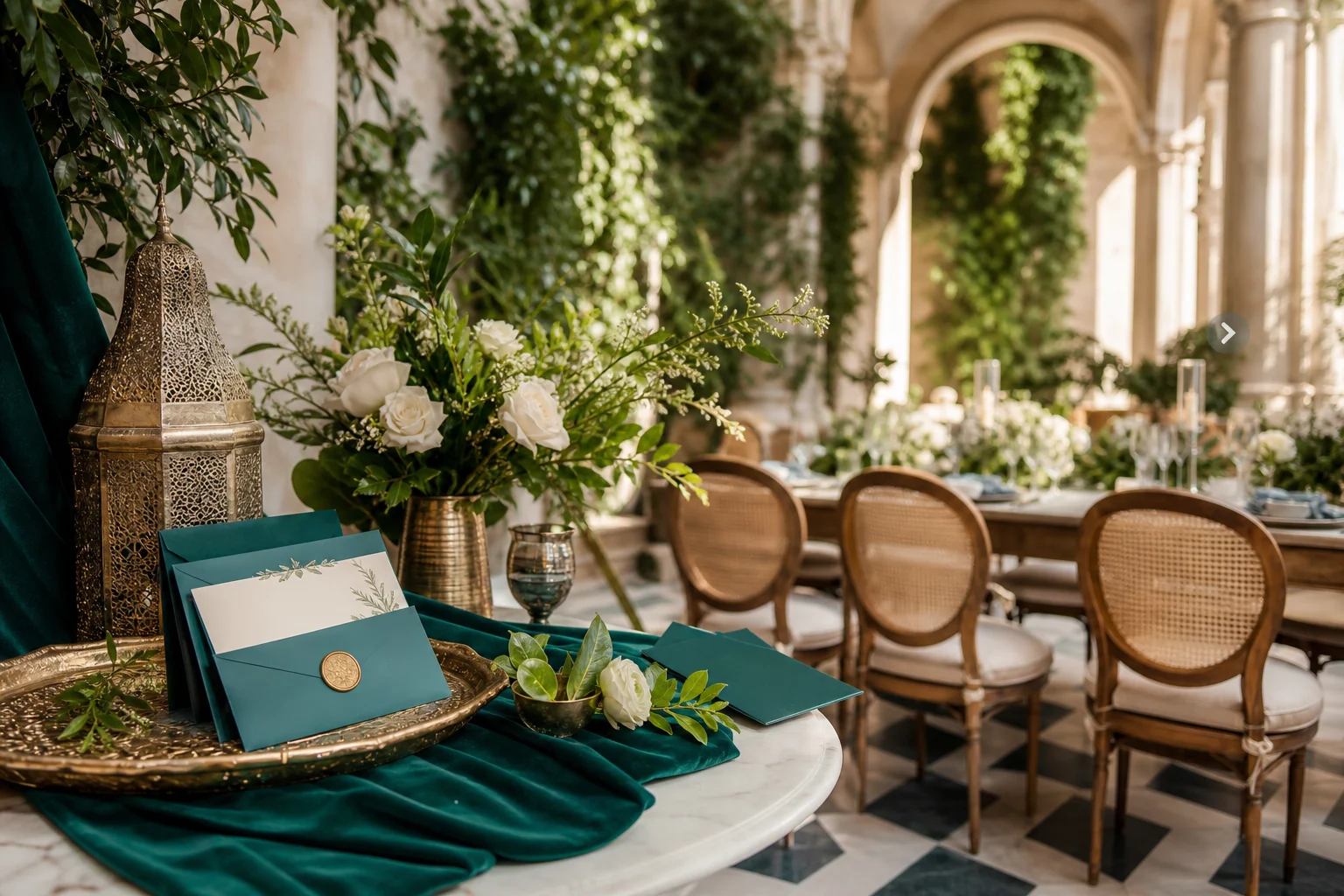
When traditions meet across cultures, your wedding invitation becomes a bridge between worlds. Learn how to honor Arabic and European naming customs, formal...
When a couple says yes to love, they often say yes to navigating two worlds. If you're planning a wedding that honors both Arabic and European traditions, your invitation sets the tone for how thoughtfully you've considered your guests.
Your invitation is the first impression of your celebration. Getting the etiquette right shows respect, creates clarity, and helps your guests understand what to expect.
Understanding Arabic Names and Titles on Invitations
Arabic naming conventions often include elements that are less familiar to European guests. The structure typically follows: first name, father's name, grandfather's name, and family surname.
When addressing an invitation to an Arabic guest, the key is accuracy and respect. Write the name exactly as they have provided it. If someone is known as "Layla bint Muhammad Al Mansouri," that is what belongs on the envelope.
For titles, follow the person's preference. If Dr. Fatima Al Kaabi is your guest, she may prefer "Dr. Al Kaabi" on the invitation. Similarly, if your guest is Sheikh Mohammed Al Maktoum, that formal title should appear.
European Naming Conventions and Formal Address
European traditions vary significantly by country, but several patterns are common. Many European invitations use the full formal name: "Mr. and Mrs.
Professional titles appear on European invitations based on the country and context. "Doctor" is common in Germany and Austria, "Docteur" in France, and professional titles are generally used in formal invitations across Northern and Central Europe.
Surnames carry weight in European tradition. A woman may keep her maiden name, take her husband's surname, or use a hyphenated combination. Your invitation should reflect her choice. The safest approach: ask each guest how they prefer to be addressed.
Blending Both Traditions in Your Invitation Wording
When your guest list includes both Arabic and European guests, your invitation language sets expectations. A bilingual invitation (Arabic and English, or Arabic and French) signals inclusion and cultural awareness. This is especially important if you're hosting in the UAE, Europe, or another multicultural location.
For the opening, move away from phrases like "Together with their parents" and consider "Together with their families," which is more inclusive of extended family structures common in Arabic culture.
The phrasing of titles follows naturally from this respect. Instead of "Dr. and Mrs. Ahmed Hassan," which subordinates the woman's identity, write "Dr. Ahmed Hassan and Dr. Amira Hassan" if both hold doctorates. This acknowledges both people equally and reflects modern sensibilities across both cultures.
Addressing Couples and Families with Different Name Traditions
A truly multicultural invitation acknowledges how modern couples live. If you're a Lebanese woman with a European partner, you may choose to keep your family name professionally and socially.
For families, the structure matters equally. When addressing the invitation to "The family of Al Marri" (common in Gulf culture) versus individual family members by name (common in Europe), know your audience. If you have elderly relatives who prefer traditional collective family address, use that.
If a guest is a widowed woman who prefers to be addressed as "Mrs. Margaret O'Brien" (using her late husband's surname) or as "Ms. Margaret O'Brien" (using her own identity), ask and honor her choice.
Practical Formatting Checklist for Multicultural Invitations
Consider these practical elements when finalizing your invitation wording:
- Research how each guest prefers formal address (phone call, email, or ask during conversations)
- Write Arabic names with proper diacritical marks if space allows (the fatha, damma, and kasra add meaning)
- Ensure titles are accurate: Doctor, Engineer, Sheikh, or professional designations
- For bilingual invitations, ensure equal prominence for both languages (not Arabic in smaller type as an afterthought)
- Include both English and Arabic versions of the RSVP line, or clearly state which language the RSVP should be in
- Have a native speaker review both language versions for tone and cultural appropriateness
- If using a digital invitation platform like ElBach Digital, leverage built in multilingual support
- Provide a phone number and email in the format your guests will use most
- For formal events, include a dress code that acknowledges both traditions (abaya friendly, for example, rather than only "cocktail attire")
RSVP Planning Across Cultures
Your RSVP process should be as thoughtful as your invitation language. European guests often respond by the stated deadline; Arabic culture sometimes treats deadlines as flexible guidelines, especially among close family. Both are normal.
A warm follow up email or message is common across both cultures when people haven't responded by the deadline. The tone should be friendly: "We'd love to hear if you're joining us, just reply to this message." This removes any sting from the reminder.
For dietary requirements, ask specifically about halal, kosher, or other religious observances rather than assuming. Offer vegetarian, vegan, and gluten free options without requiring explanation. Make your catering team, venue, and any food vendors aware of these needs.
If you're working with a wedding planner or RSVP platform, ensure they understand that family groups sometimes respond as a unit (common in Arabic culture) rather than individual responses.
Common Questions About Mixed Tradition Invitations
Should names appear in Arabic or Latin script? Use the script your guest uses professionally. If they sign their name in Arabic, use Arabic script on your invitation. Many bilingual professionals use Latin script for international contexts; ask them directly.
Is it more respectful to use formal titles or first names? Formal titles signal respect and formality. If you're hosting a black tie wedding or formal dinner, use them. For casual garden parties, first name invitations are appropriate. Your tone should match your event.
How do I handle a guest who uses different names in different contexts? Ask them. A quick message saying "I want to make sure I have your name right on the invitation" opens a natural conversation.
Can I include family structure information without making assumptions? Yes. When someone asks "What is your guest bringing?" wait for them to tell you rather than assuming.
Honoring Your Guests Through Thoughtful Details
Your wedding invitation, whether printed or digital, is an act of welcome. The care you take with names, titles, and language choices communicates that you see your guests as individuals. Planners, venues, photographers, and all the professionals supporting your celebration understand this: details create experiences.
For couples working with wedding businesses, share this cultural awareness with your entire team. Your florist should understand that some guests may wear traditional dress. Your beauty salon can prepare for both Western bridal makeup and henna traditions.
A digital platform like ElBach Digital that supports bilingual RSVP management, dietary tracking, and guest communication takes this burden off you and your vendors, allowing everyone to focus on creating genuine moments of welcome.
Final Thoughts
Arabic and European wedding invitation etiquette need not feel like a puzzle. The fundamental principle is the same across both cultures: know your guests, address them with respect, and create clarity about what you're inviting them to share.
Take time with the details. Write the names correctly. Use titles when appropriate. Choose language that acknowledges both traditions without privileging one over the other. Your invitation becomes not just a request to attend, but a signal that you've thought carefully about bringing two worlds together.
Your wedding day is built on these small acts of cultural awareness. Every correct name, every thoughtful title, every bilingual phrase is a thread in the celebration you're creating. Start there, and everything that follows will feel intentional and warm.
Planning a wedding?
Tell us about your celebration and receive a tailored proposal for a multilingual digital RSVP experience.
Tell us about your celebrationThe Journal, by email
One thoughtful celebration idea a day
Digital invitation guidance, guest experience, multilingual etiquette, and design ideas. Unsubscribe in one click.
ELBACH Digital FZ-LLC · Ras Al Khaimah, UAE · contact@elbachdigital.com